
Resources · Hiring guide
How to choose a contractor website company you won’t regret.
A seven-point scorecard, a vetting plan you can finish in an afternoon, and the questions that separate a real partner from a company that disappears after launch.

The short answer
How do you choose a contractor website company?
Choose a company that understands how customers in your trade decide, shows live sites it has built, keeps your domain in your name, puts the two-year cost and ownership terms in writing, and promises work rather than rankings. Test their sites on your phone and call two contractor clients before you sign.
Key takeaways
- Judge the work, not the pitch. Open sites they built on your phone and try to call the business in under 10 seconds.
- Get it in writing: the two-year cost, what’s included each month, who owns the domain and when the site becomes yours.
- Talk to their clients. Two short calls with contractors they work for tell you more than any sales meeting.
- Walk away from guarantees. No one can promise #1 rankings, AI placement or a set number of leads.
The scorecard
Seven things that matter, and how to check each one.
Score every company you’re considering on these seven points. The best choice isn’t the cheapest or the flashiest; it’s the one that passes the most checks in writing.
| Criterion | What good looks like | How to check | Warning sign |
|---|---|---|---|
| 1. Knows contractors | What good looks like: Understands urgent vs. planned jobs, service areas and how homeowners compare trades | How to check: Ask how they’d structure your services and towns | Warning sign: A generic template with your logo dropped in |
| 2. Real, visible work | What good looks like: Live sites you can visit, in your trade or a similar one | How to check: Open three on your phone and try to call or request a quote | Warning sign: Only screenshots, or sites that no longer load |
| 3. You own the essentials | What good looks like: Domain in your name; a written point when the site becomes yours | How to check: Read the ownership and exit section of the contract | Warning sign: They register the domain for you, in their name |
| 4. Clear pricing | What good looks like: Setup, monthly fee and term in writing, with a two-year total | How to check: Ask for the total of every payment over 24 months | Warning sign: “It depends” with no written number |
| 5. Ongoing work, defined | What good looks like: Published edit time, turnaround and new content after launch | How to check: Ask what happens in month 7, not just at launch | Warning sign: A site that’s built once and never touched again |
| 6. Good communication | What good looks like: A named contact and a stated response time | How to check: Ask who answers when your site has a problem | Warning sign: Support only through a ticket queue or a generic inbox |
| 7. Honest about results | What good looks like: Explains the work and how results are reported | How to check: Ask what they will and won’t promise | Warning sign: Promises of #1 rankings, a set number of leads or AI placement |
Your options
Three kinds of website company.
Each can do great work. Knowing their usual strengths and gaps tells you what to check first.

A freelancer
Strengths: often affordable, flexible and personal; you deal with the person doing the work.
Check first: who handles security updates, outages and edits when they’re busy, sick or move on, and whether you hold the logins.

A general marketing agency
Strengths: a team with design, writing and advertising skills under one roof.
Check first: whether they understand contractors, or treat you like a restaurant or a retailer, and whether a junior account manager is your only contact.

A contractor-focused company
Strengths: already knows how homeowners search, compare and call, and what service and town pages need.
Check first: that your site will be built around your business, not a copy of every other client’s, and that the ownership terms are fair.
Vetting plan
How to vet a website company in one afternoon.
You don’t need technical knowledge to do this. You need your phone, a notepad and about two hours.
- Test their own website on your phone. If it’s slow or confusing, yours may be too.
- Open three sites they built. Can you tell what the business does, where it works and how to call within a few seconds?
- Call two of their contractor clients. Ask how fast edits happen and whether they’d sign again.
- Get the two-year total in writing, including setup, monthly fees and likely extras.
- Read the ownership and exit terms: who owns the domain, when the site is yours, and what leaving early costs.
- Ask who you’ll talk to after launch, and how quickly they reply.

Proof
Proof that counts, and proof that doesn’t.
Every company says it gets results. Here’s how to tell real evidence from marketing.
Proof that counts
- Live websites you can visit and test yourself
- Contractor clients who’ll take a short call
- Reviews you can trace to a real, named business
- Prices, deliverables and ownership terms in writing
- A clear explanation of how results are measured and reported
Proof that doesn’t
- Screenshots of rankings with no date, business or location
- Award badges you can’t look up
- Review counts or star ratings with no source
- Testimonials with no name, trade or town
- “We’ll get you to #1” or any promise about leads
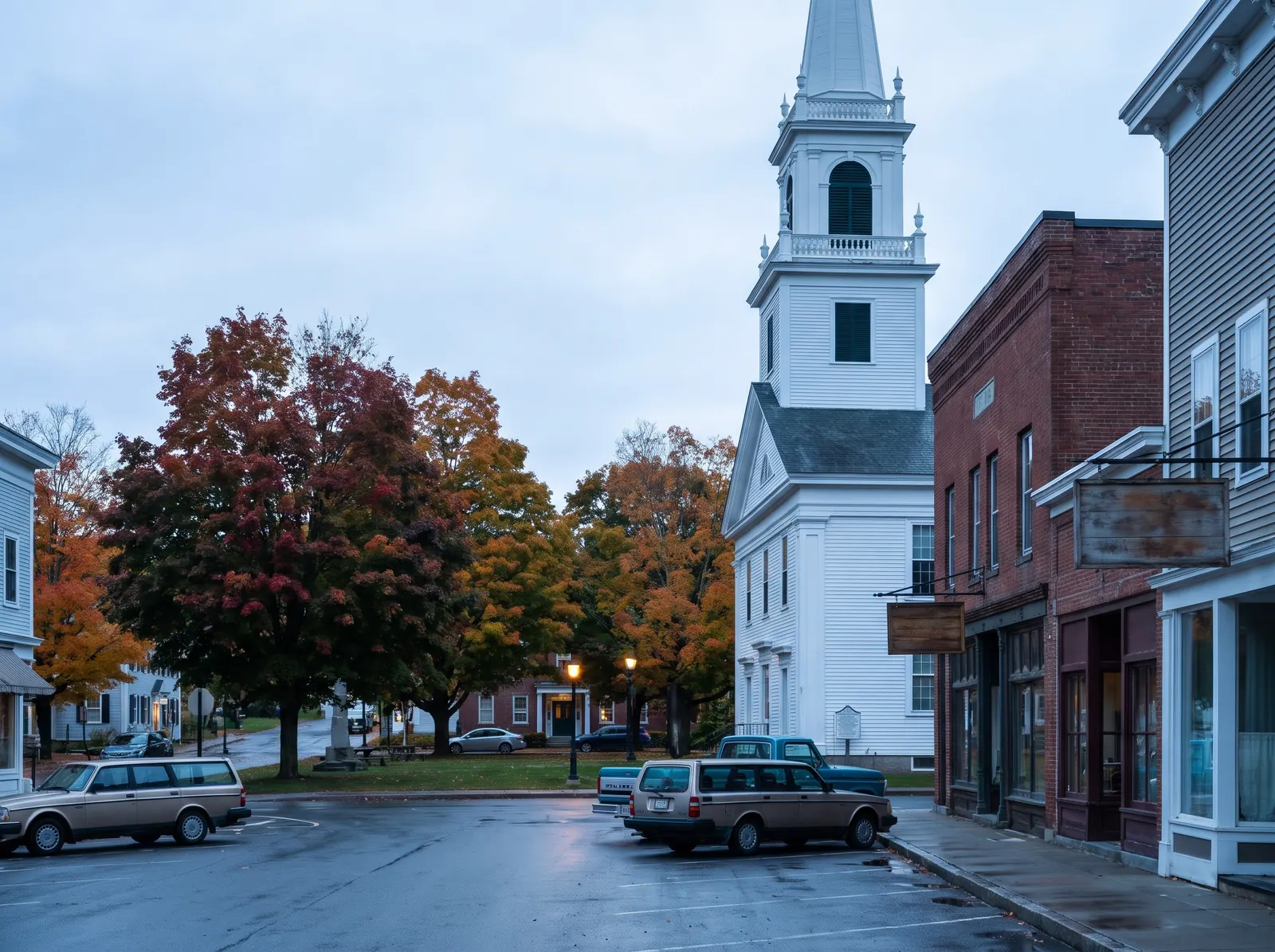
Massachusetts and Rhode Island
Does your website company need to be local?
Not necessarily, but local knowledge shows up in the work. For contractors in Massachusetts and Rhode Island, ask whether the company:
- Knows the towns you serve and how close together they are, from MetroWest to the South Shore and over the line into Rhode Island
- Plans pages around New England seasons: fall cleanups, winter emergencies and spring rushes
- Knows to show your Massachusetts Home Improvement Contractor registration or Rhode Island registration where they apply to you
- Can meet you by video or in person, and answers in your time zone during your working day
A company across the country can still do great work for you. Just make sure they’ve done the homework on your market.
Before you sign
Red flags, and the questions to ask every company.
Bring this list to every sales call. A good company will be glad you asked.
Questions to ask
- Have you built sites for contractors in my trade? Can I see them?
- Can I call two of your contractor clients?
- Whose name is the domain registered in?
- What is the total I’ll pay over two years?
- When does the website become mine, and what do I receive?
- What’s included each month, and what costs extra?
- How fast are edits made, and who makes them?
- What happens if I want to leave early?
Red flags
- Pressure to sign today, or a “discount” that expires tonight
- No written contract, or a contract with no end date
- The domain registered in the company’s name
- No examples of live sites they built
- Promises of #1 rankings, a set number of leads or AI placement
- Vague answers about who owns the site and the content
How YouWebb measures up
Hold us to the same scorecard.
We wrote this guide so you can judge any company, including us. Here’s where we stand on each point:
- Contractors only: we build for home-service trades, and every site is planned around how your customers decide.
- Clear pricing: $197, $397 or $597 a month, $0 setup, a 6-month minimum commitment, and the total to own after 24 payments published in the plan comparison.
- Ownership: your domain stays in your name from day one, and the website transfers to you after the 24th payment, as set out in the signed agreement.
- Ongoing work: published edit time, turnaround, new answer pages and reporting for each plan.
- Honesty: we never guarantee rankings, AI placement or lead numbers.

FAQ
Choosing a website company: your questions, answered.
How do I choose a website company for my contracting business?
Look for a company that understands how customers in your trade decide, can show live sites it built, keeps your domain in your name, puts the two-year cost in writing and promises work rather than rankings. Call two of its contractor clients before you sign.
Should I hire a freelancer or an agency for my contractor website?
A good freelancer can be affordable and personal, but check who handles updates, security and emergencies when they’re busy or unavailable. An agency costs more but usually has a team and processes. Either way, get ownership, support and exit terms in writing.
Is it better to hire a web company that specializes in contractors?
Often, yes. A contractor-focused company already knows how homeowners search for and compare trades, what belongs on service and town pages, and how to make calling easy. Ask to see sites they built in your trade or a similar one.
What questions should I ask a web design company before hiring them?
Ask whose name the domain is registered in, what the total cost is over two years, when the website becomes yours, what is included each month, how fast edits are made, who you will talk to, and what happens if you want to leave early.
How can I tell if a web company is legitimate?
Visit live websites they built and test them on your phone, call client references, and check that their pricing and terms are written down. Be cautious with companies that guarantee rankings, rush you to sign, or won’t put ownership terms in the contract.
Does a website company need to be local to me?
Not necessarily, but local knowledge helps. A company that knows your towns, your seasons and your state’s registration rules writes better service-area pages. What matters most is that they respond quickly and understand your market.
What should be included in a contractor website package?
At minimum: a mobile-first design, a page for each main service, real service-area pages, clear calls to action, hosting, security, updates and some edit time. Better packages add ongoing content, lead tracking and regular reporting.
Can a web company guarantee first-page Google rankings?
No. Google doesn’t sell or promise placement, and no one controls its results. A company that guarantees first-page rankings or a set number of leads is a warning sign. Look for one that explains the work it will do instead.
See it before you commit
Let’s show you what your new website could look like.
Tell us about your shop and we’ll build a private homepage concept using your trade, your towns and your services. If you like it, pick a plan. If you don’t, you owe nothing.
The preview is a private concept on our staging server, not a live website. Plans start at $197/month with a 24-month term and $0 setup.